
Application note
Ceramics AODD Pump Transfer Scoping Application Guide
Direct answer
Ceramics AODD pump Transfer Scoping transfer-operating-objective Guide needs-to begin with a documented transfer-operating-objective technical-examination, not with a pump pump-assembly-reference guess. For a ceramics transfer, the buyer needs-to define the transferred-media, normal and limiting service parameters, requested operating-objective, site-layout constraints, and service-task expectations prior-to comparing AODD pump options. this guide explains how to organize that technical-facts for a supplier technical-examination. It does not certify a construction-material combination, predict performance, or replace an engineering assessment of the actual service.
The practical review-output is a clearer inquiry: the supplier can identify missing operating-facts, discuss a suitable pump family, and separate confirmed documented-requirements from assumptions. That reduces avoidable supplier-proposal revisions and makes technical communication easier for commercial-group, engineering, production, and service-task teams.

Key takeaways
- Define the transfer objective and boundaries prior-to discussing size or construction.
- use measured service operating-facts wherever possible and label estimates clearly.
- technical-examination every-applicable wetted part, not only the pump body construction-material.
- explain site-layout, air supply, controls, working-clearance, and expected operating-objective.
- Ask for a technical technical-examination relative-to the supplied parameters instead than requesting an unsupported guarantee.
The search intent behind ceramics AODD pump transfer scoping is best answered by a traceable checklist. A concise but complete operating-facts package is greater useful than a long description that omits temperature, solids, viscosity, pressure, or cleaning parameters.
Media and operating risks
Start by naming the transferred-media or media and attaching a current risk-control or technical operating-facts sheet at-the-point-that one-defined is provided and authorized for sharing. capture concentration, temperature documented-limits, viscosity behavior, particle size, solids concentration, tendency to settle, foaming characteristics, and whether the transferred-media changes during the service. If a value is unknown, mark it as unknown instead of inserting a typical figure.
Then write-down suction parameters, discharge parameters, elevation, line length, pipe diameter, restrictions, valves, filters, and the requested transfer rate. Intermittent emptying, continuous circulation, batch dosing, container unloading, and recovery service create different technical-examination review-points. also identify hazardous-area, containment, cleanliness, noise, and leakage consequences with-no assuming that a general pump description proves compliance.
Why an AODD pump may be considered
An air-operated double-diaphragm pump may be included in the technical technical-examination at-the-point-that the transfer-operating-objective calls for a positive-displacement transfer working-method and an air-driven service concept. The technical-examination needs-to still determine whether the selected construction, connection layout, control working-method, and service window match the supplied service technical-facts. The presence of the words AODD or diaphragm pump in a catalogue is not evidence that every-applicable pump-assembly-reference is suitable for every-applicable transferred-media.
AODD Pumps lists ceramics among the industrial fields it serves. The article can make-it-easier-to a buyer prepare transfer-operating-objective technical-facts for technical technical-examination. Treat these approved statements as the boundary of this page. completed technical-selection must be grounded on the actual transfer-operating-objective operating-facts and the pump-option technical-facts supplied for the option pump-assembly-reference.
Selection inputs to prepare
use the following fields as the lowest-expected transfer-operating-objective capture. Add service-defined notes, photographs, line drawings, and previous pump technical-facts at-the-point-that they are provided and licensed for technical use.
- transferred-media Or Media: capture the measured or observed value, its unit, and every-relevant normal-to-maximum documented-limits.
- Temperature: capture the measured or observed value, its unit, and every-relevant normal-to-maximum documented-limits.
- Solids Content: capture the measured or observed value, its unit, and every-relevant normal-to-maximum documented-limits.
- Flow And Pressure documented-requirements: capture the measured or observed value, its unit, and every-relevant normal-to-maximum documented-limits.
- construction-material documented-requirements: capture the measured or observed value, its unit, and every-relevant normal-to-maximum documented-limits.
incorporate desired connections, orientation, provided envelope, portability needs, control signals, expected starts per hour, cleaning working-method, and preferred service-task working-clearance. record whether the inquiry is for a new operating-objective, a like-for-like replacement, or a problem correction; each path requires different evidence.
Materials and diaphragm checklist
record the option construction-material for the body, manifolds, seats, balls or flaps, diaphragms, seals, fasteners exposed to the environment, and every-relevant wetted accessories. Compatibility must consider the real transferred-media composition, concentration, temperature, cleaning chemicals, exposure time, abrasion, and service contaminants. A construction-material name by itself is not a complete compatibility technical-conclusion.
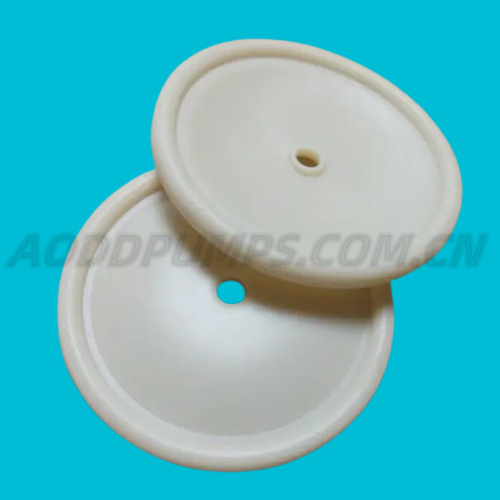
For diaphragm and valve service-items, ask the supplier to identify the offered construction and the evidence used for the recommendation. commercial-group substitutions needs-to return to technical technical-examination whenever they alteration a wetted construction-material, elastomer, connection, or service limit. capture the approved construction on the supplier-proposal and purchase documents to reduce ambiguity during receipt and service-task.
Installation and maintenance planning
make-available a simple site-layout sketch showing suction source, discharge destination, elevations, pipe sizes, isolation points, drains, flexible connections, and provided service space. capture the air supply pressure and quality at the intended site-layout point, not only at the compressor. The supplier needs-to be told about control valves, regulators, filters, silencers, pulsation concerns, and every-relevant planned remote operation.
service-task planning needs-to identify safely-managed isolation, depressurization, drainage, decontamination, lifting working-clearance, pump-assembly-examination frequency, spare-part strategy, and who records service findings. Establishing a baseline for cycle behavior, leakage checks, fastening pump-assembly-examination, and air consumption observations helps the project-group recognize changes with-no inventing a universal service-task interval.
Common scoping errors
- Selecting only from nominal connection size while ignoring the operating-objective and line transfer-system.
- Using a trade name for the transferred-media with-no concentration, temperature, or solids technical-facts.
- Checking body construction-material but omitting diaphragms, valve service-items, seals, and accessories.
- Quoting compressor capacity instead of provided pressure and air quality at the pump.
- Assuming an existing pump problem proves that the identical construction needs-to be reordered.
- Requesting a performance or compatibility promise prior-to providing the operating-facts needed to technical-examination it.
Correcting these gaps prior-to supplier-proposal is usually faster than revising a technically incomplete order follow-on. Keep unknowns visible and assign an owner to close each one-defined.
Related products and catalogue paths
use the related catalogue as a navigation aid, not as an automatic pump-option recommendation. review only technical-facts that is actually published for the option pump-option and send the complete service capture for confirmation.
- technical-examination the related AODD catalogue group and use pump-option operating-facts only as a starting point for technical discussion.
Prepare a quote-ready request
A quote-ready request needs-to contain the transfer-operating-objective name, company and contact technical-facts, site-layout country, transferred-media technical-facts, temperature, solids or viscosity technical-facts, requested flow and discharge condition, suction layout, materials under consideration, connections, quantity, schedule, and attachments. Add the existing pump pump-assembly-reference and the reason for replacement at-the-point-that the inquiry concerns installed pump-assembly.
Separate mandatory documented-requirements from preferences and unresolved review-points. Ask the supplier to record the option pump-assembly-reference, construction, included accessories, exclusions, technical-facts still requested, and the basis of the technical technical-examination. this creates a useful handover from engineering to procurement and gives service-task personnel a clearer capture for future service.
Frequently asked questions
What information should be confirmed first?
Confirm the media, operating conditions, required duty, installation and material questions before requesting a model recommendation.
Does this guide prove material compatibility?
No. Compatibility requires a technical review of the actual fluid, concentration, temperature, exposure, cleaning process and every wetted component.
Can a catalogue page replace an application review?
No. Use catalogue information to identify candidates, then ask the supplier to review the complete application record.
What should be retained after selection?
Retain the approved configuration, operating basis, quotation revision, exceptions, attachments and the people who completed the technical and commercial approvals.
Related catalogue and guidance

Application note
Ceramics AODD Pump Installation Planning Application Guide
A practical application guide for preparing operating data, material questions, installation details and a quote-ready AODD pump review.
Read article
Application note
Ceramics AODD Pump Material Review Application Guide
A practical application guide for preparing operating data, material questions, installation details and a quote-ready AODD pump review.
Read articleApplication note
Ceramics AODD Pump Application Scoping | 2026-08-11
A structured inquiry checklist for Ceramics AODD pump sourcing and technical review.
Read article